SeattleRoadside Assistance (206) 483-2704

Mobile Tire Repair in Seattle, WA

A screw in the tread, a tire that keeps going soft, a warning light on the dash. A roadside operator comes to the driveway, the garage level or the freeway shoulder, looks at the tire and plugs it if it can be plugged. You hear the quote first.

Roadside Assistance Emergency Line(206) 483-2704

Call for a quoteOr fill in a breakdown ticket

What moves the quote

Have this ready when you call

  1. Where the car is: street and cross street, garage level and stall, or the freeway and nearest exit
  2. Which tire, and what you can see: nail, screw, cut, bulge or shredded
  3. Whether there is a spare, and where the wheel lock key is
(206) 483-2704
Tread: repair zone Shoulderno repair Sidewallno repair Shoulderno repair Sidewallno repair
Tire cross-section. Punctures up to about 1/4 inch in the tread can be repaired; damage in the shoulder or sidewall cannot.

Where a tire can be plugged

Only the flat center of the tread takes a repair. Before plugging, the operator looks at where the nail went in, how big the hole is, and whether the tire was driven flat.

If the damage sits in the shoulder or the sidewall, the fix is a spare, then a new tire. You hear that on the spot, before any work is billed.

How much does mobile tire repair cost in Seattle?

Every mobile tire repair is quoted on the call, because the price depends on where the puncture sits, where the car is and what hour it is. Tell the operator at (206) 483-2704 about the tire and your location, and you hear one number before a truck leaves.

Most of what moves the quote is the setup. A tire in a driveway in Ballard is a simple job. A rear tire on a loaded pickup on an I-5 shoulder, with traffic close by, takes more care, because the truck has to be lifted safely. A tire that only needs air, and holds it once filled, is a smaller job than a puncture. Low-profile tires and run-flats take longer to handle. A steep street, a tight downtown garage and a late-night call all change the number too. The operator asks where the car is, what kind of tire it is and what you can see in the tread, then gives you one number. That number holds unless the tire turns out to need something different, such as the spare going on instead. If that happens, the operator explains why before touching anything, and you decide whether to go ahead. A photo of the tire texted to the line before the call ends can speed the quote up. Have the car's make and model ready as well.
Can mobile tire repair in Seattle fix a nail or screw on the spot?

Often, yes. A nail or screw in the main tread can usually be plugged at the roadside so the tire holds air again. That gets you moving. The US Tire Manufacturers Association says a plug alone is not an acceptable repair, so plan a proper repair at a tire shop.

A roadside plug works by cleaning out the puncture and pulling a sticky rubber cord through the hole, which seals it from the outside. It gets you off the shoulder and on the road. For a lasting repair, the tire comes off the wheel, the inside is checked for damage you cannot see from outside, and the hole is filled with a plug and a patch on the inner liner. That inspection matters most when the tire has been driven low on air, because the inner wall can be chewed up even after a short distance. Ask the operator what can be done on the spot for the tire in front of you, since it depends on the tire and the damage. If the nail is still in the tire when you call, leave it there until the operator gets to you. It is partly sealing the hole, and pulling it out can turn a slow leak into a flat within seconds.

Which tire damage can't roadside tire repair in Seattle fix?

Damage in the sidewall or the shoulder of the tire cannot be repaired, and neither can a puncture wider than a quarter inch. Cuts, bulges, exposed cords and tires driven a long way flat need replacing. In those cases the spare goes on, or the car is towed.

The tread is the thick, flat part that touches the road. The US Tire Manufacturers Association limits repairs to the tread area, for punctures no larger than a quarter inch across, and says damage reaching the shoulder of the tire is out. The sidewall and shoulder flex every time the wheel turns, so a plug there will not stay sealed. A bulge or bubble on the side means the inner cords are broken, and that tire can fail at speed. Seattle adds its own ways to hurt a tire: a curb strike on a narrow hill street, a scrape on a garage ramp, a wheel dropped into a pothole you could not see under a puddle. If the operator finds damage that cannot be plugged, you hear it on the spot, before any work starts. Photos of the sidewall and the tread help the operator judge it before the truck leaves, and a photo of any bulge matters most.

Is emergency tire repair in Seattle available at night and in the winter dark?

Yes, the line at (206) 483-2704 is answered at any hour, and tire calls are taken at night, on weekends and on holidays. A late call can change the quote. The operator tells you the price and when a truck can reach you before anyone drives out.

In December the sun goes down before half past four in the afternoon. A flat on the drive home from work is a flat in the dark, usually in the rain. Many tire shops close in the early evening, so a roadside call is often the only way to get moving that night. If the repair cannot be done safely where you are, for example the car sits on a narrow shoulder with no room on the traffic side, the operator may ask you to drive slowly to the next exit or a lit parking lot first, as long as the tire still holds some air. Never drive on a fully flat tire for any distance. It ruins the tire and can bend the wheel. When in doubt, stay put with the hazards on and let the operator decide. At night, keep the dome light on so the truck can find the right car, and keep the doors locked until the operator identifies the job by name.

Why do so many tires go flat in the Seattle rain?

Rain hides debris, and worn tread clears water more slowly, so weak tires show up fast. Grit, glass and loose hardware collect along lane edges and in bike lanes. A tire that is low on air flexes more and fails sooner, and a low tire on wet pavement grips worse.

Tire retailers' wet-braking tests show stopping distances growing as tread wears down, because the grooves are what push water out from under the tire. That is the reason to look at your tread before the wet season starts. Stay out of the gutter edge and the bike lane when you can, and steer around standing water on I-5 and Aurora Avenue. If the car starts to hydroplane, ease off the gas, hold the wheel straight and do not brake hard. Check pressure once a month, cold, before you drive, using the number on the sticker inside the driver's door, not the maximum printed on the tire. Include the spare. Pressure drops in a cold snap, so a tire that looked fine in September can read low in January. A tire that keeps losing air after you fill it has a puncture, and it needs a look.

What does the tire pressure light on my dash mean?

The tire pressure light means at least one tire is well below the pressure the car expects, often from a slow leak or a drop in temperature. Check all four tires with a gauge. If one is clearly lower than the others or keeps dropping after you fill it, it probably has a puncture.

Federal rules required a tire pressure monitoring system on every new passenger vehicle from model year 2008, and the light comes on when a tire falls about a quarter below its recommended pressure. A solid light usually means low pressure. A light that blinks first and then stays on usually points to a fault in the system itself, and the owner's manual shows what yours does. When only one tire is low, look at the tread for a nail or screw head and listen for a hiss. If you find one, leave it in, since it is partly sealing the hole. Then call, because a tire that keeps dropping will not make it far. When all four tires read low after a cold night, fill them to the door-sticker number and drive a short way. If the light stays on, call. Do not keep driving on a tire you know is leaking.

Can a run-flat or low-profile tire get mobile tire service in Seattle?

Low-profile tires can usually be plugged for the trip to a shop if the damage is in the center of the tread. Run-flat tires are different: the tire industry notes that some makers set repair limits on them. Tell the operator the tire type when you call; the sidewall lists it.

Run-flat tires have stiff sidewalls that carry the car a limited distance after a puncture, which is why many cars that use them carry no spare at all. The catch is that the stiff sidewall can hide damage inside, so tire and car makers set their own repair rules, and they vary by brand. Your owner's manual or the tire maker's website says what applies to yours. Low-profile tires on large wheels are repairable in the tread, but they take more care to air up and seat, and the wheels scratch easily. Say on the call if the car has run-flats, large aftermarket wheels or locking lug nuts, so the operator brings the right tools and gives you an accurate quote. If the tire is a run-flat that has been driven on empty, expect to hear that it needs replacing. You hear that before any work starts.

Can mobile tire repair reach a downtown Seattle parking garage?

Often yes, but the operator needs to know the level, the height clearance and the stall before a truck leaves. A low ceiling can keep a service truck out. Say what the garage looks like on the call, and you hear what is possible.

Downtown garages are tight. The ramps are steep and narrow, the ceilings hang low, and some levels have no room to park a truck beside your car. Tell the operator which garage, which level and the stall number, and read the clearance sign at the entrance if you passed one. If the truck cannot get in, the operator may ask you to roll the car, slowly, to the ground level or out to the curb, but only when the tire still holds some air. Never move a car on a fully flat tire. A garage with a gate or a pay station can also stop a truck at the entrance, so ask the attendant or check the ticket for how to let a visitor in. Keep your phone charged and your hazards on while you wait.

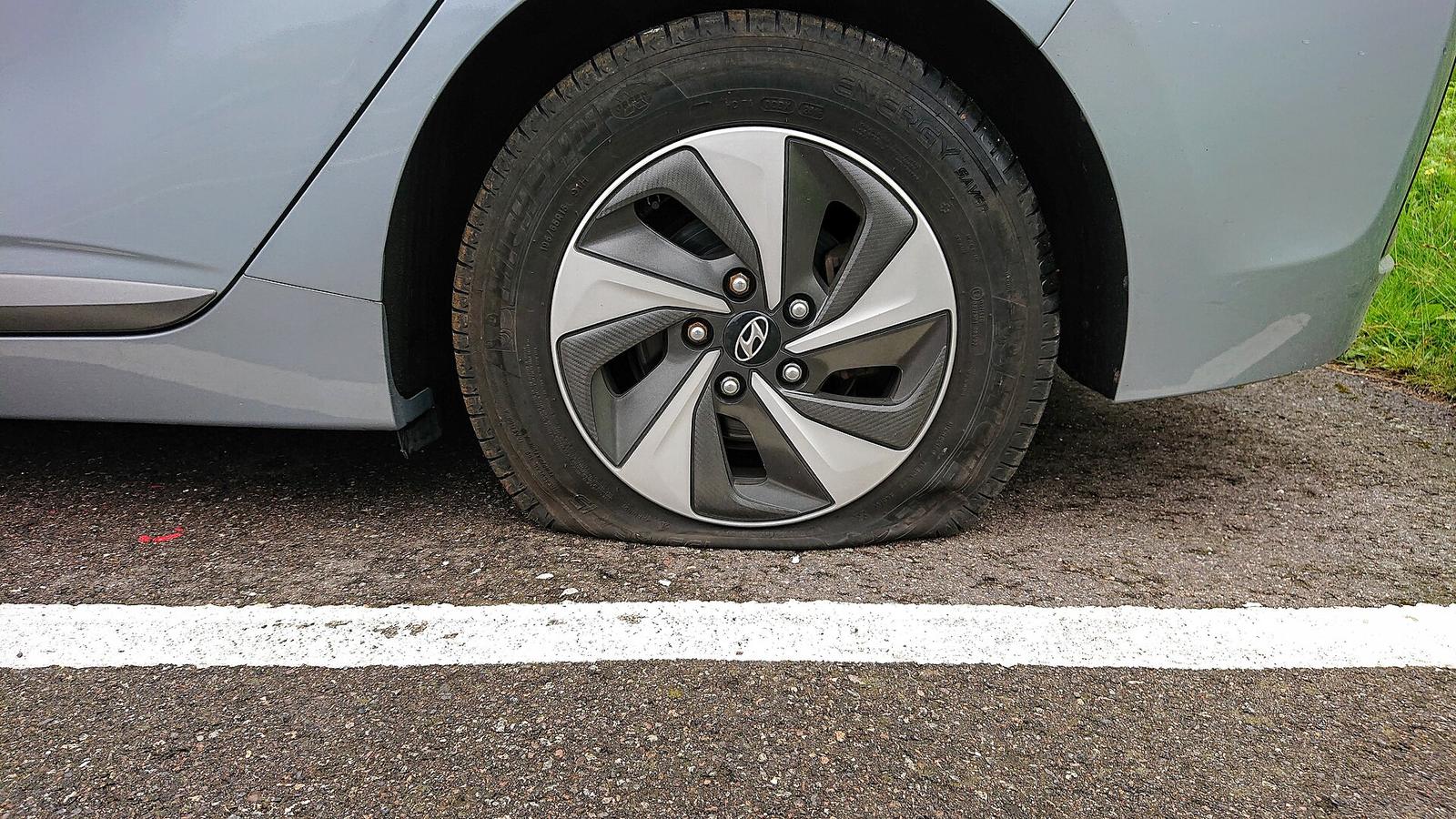
A flat tire on a silver car parked at the edge of the road
A flat on the rear tire.

Write it down before you dial

Fill in the ticket and tap send. It goes to the local operator's phone as a text, and they call you back on the number you give. In a hurry? Call (206) 483-2704 instead.

On a freeway, tap the road and your direction, then add the nearest exit or cross street. That is enough for the operator to find you.

Roadside Assistance Emergency Line(206) 483-2704

Breakdown ticketSeattle, WA

On a freeway? Tap the road, then the direction

Seattle and the towns around it

Calls come from every part of Seattle and from Shoreline, Burien, Tukwila, SeaTac, Renton, Mercer Island and Bellevue. Travel to the far edges of the county is part of the quote you hear on the call.

  • SeattleKing County · home base
  • ShorelineKing County · north on I-5 and Aurora Avenue
  • BurienKing County · south on SR-509
  • TukwilaKing County · south where I-5 meets I-405
  • SeaTacKing County · south by the airport
  • RentonKing County · southeast on I-405
  • Mercer IslandKing County · across the I-90 floating bridge
  • BellevueKing County · east across SR-520 and I-90

Town-by-town coverage, with a map for each

Call (206) 483-2704Call