SeattleRoadside Assistance (206) 483-2704

Fuel Delivery in Seattle, WA

The gauge hit empty and the engine quit on a hill, on a bridge approach or in a lot. A roadside operator brings fuel to the car, so you do not have to walk to a station. Gas or diesel is confirmed on the call, and so is the quote.

Roadside Assistance Emergency Line(206) 483-2704

Call DispatchOr fill in a breakdown ticket

What moves the quote

Have this ready when you call

  1. Where the car is: street and cross street, or exit and direction on a freeway, plus a landmark
  2. Gas or diesel, and regular or premium if it is gas
  3. Make, model and year, and whether the car is on a hill, a shoulder or in a lot
(206) 483-2704

How much does fuel delivery cost in Seattle?

Fuel delivery in Seattle is quoted on the call, because the price depends on how far out you are, which fuel you need and what hour it is. Call (206) 483-2704, say where the car sits and what it runs on, and you hear one number first.

Three things move the quote: the distance a truck has to cover to reach you, the type of fuel, and the setting. A car at a curb in Fremont is simple. A car on a freeway shoulder or a bridge approach takes more care, and a late-night call or a spot at the edge of the service area changes the number too. The operator asks the make and model so the fuel and the fill port are right the first time. You pay for the delivery and the fuel as quoted, with no membership and no sign-up. If a station is a short walk away and you are safe, the operator will say so, and you can decide whether the call is worth it.
Do you do gas delivery in Seattle for a car that ran dry?

Yes, gas or diesel. Tell the operator whether the car takes regular, premium or diesel, and the type is confirmed on the call before anything is poured. If you are not sure, the label inside the fuel door or the owner's manual says.

Putting the wrong fuel in a car is a costly mistake, so the operator confirms the fuel before bringing it. Check the inside of the fuel door, the cap or the manual. Most gas cars take regular, and the door label lists the minimum octane. Diesel pickups and vans are clearly marked, often with a green or yellow cap. Some work vans and older trucks can be confusing, so give the make, model and year to be sure. This service delivers liquid fuel only. It does not charge electric vehicles, so if you drive an EV, plan on a tow to a charger. If you drive a plug-in hybrid with an empty tank, say so, since it still needs gas.

How much fuel do you bring to a stranded car in Seattle?

The operator brings enough fuel to get the car to a gas station, not to fill the tank. That is usually enough to restart the engine and drive to a pump. Fill up there, since pump fuel is easier to buy in the amount you need.

A few gallons is the idea, and the operator tells you the amount on the call. It is enough to clear the fuel lines, restart the engine and cover the drive to the nearest station, with room to spare. Some cars need more when the gauge reads empty but the tank has a little left, and some need less when the real problem was a bad gauge. After the delivery, drive to a station right away and fill the tank, because running a tank dry again and again can pull sediment into the fuel pump. If the car is a diesel, the operator also checks whether it has to be primed to restart and tells you what to expect. If a station is close, the operator may point you there.

What should I do if I run out of gas on I-5, SR-520 or in the SR-99 tunnel in Seattle?

Coast to the right shoulder, turn on the hazard lights and stay belted in with the doors locked. If you cannot pull off, or anyone is hurt, call 911 first. Then call the roadside line and give your direction and the nearest exit.

A stalled car on I-5, I-90 or SR-99 can be hit from behind, so safety comes first. The SR-520 floating bridge has shoulders for disabled vehicles, which WSDOT added when the current bridge opened in 2016. The SR-99 tunnel is about two miles long and has no mid-tunnel entrances or exits, so a car that stops inside cannot turn off. If you are in the tunnel or in a travel lane anywhere, call 911 before anything else. Note the nearest mile marker or cross street and which way you are headed. If you must get out, leave on the side away from traffic and stand well back from the car. Do not try to push the car or walk along the lanes. For a freeway call, expect extra care in the quote.

Can a car run out of gas on a steep Seattle street with fuel still showing?

Yes, it can. When the tank is nearly empty, a steep climb or a hard turn can leave the fuel pump sucking air. The gauge may show a little fuel while the engine stalls, so treat a low tank on a hill as empty.

Seattle is built on hills, and Queen Anne, Capitol Hill and the streets above the Rainier Valley have grades that tilt a car enough to move the fuel in the tank. Fuel pools away from the pump pickup, the engine coughs and the car stops, sometimes in the middle of a climb. Put the car in park, set the parking brake and turn the wheels toward the curb if you are on a slope. Call before you try to restart it over and over, since that wears down the battery and the starter. Tell the operator the cross streets and how steep the street is, because a truck needs a safe place to stop. Once the fuel is in, drive on level ground to a station.

What if I run out of gas in the Colman Dock ferry line in Seattle?

Tell the ferry staff first, then call the roadside line. Terminal crew direct traffic at Colman Dock, so they can tell you where a stalled car can sit and what can happen around it. Give the operator the lane and your place in line.

Colman Dock is at Pier 52 on the waterfront, where the Washington State Ferries sail across Puget Sound, and cars enter from Alaskan Way and go through the toll booths. A car that cannot move holds up everyone behind it, which is why the crew should know right away. Give the operator your lane and your place in line, and ask the crew what is allowed in their lanes before anyone brings fuel. Rules at a ferry terminal are the terminal's to set. If the car has to move before fuel can reach it, a short tow out of the line to open ground can be quoted on the same call.

Why won't my car start after I add fuel in Seattle?

Many cars start after a few tries, but some need a moment for the fuel pump to refill the lines, and diesels may need priming. Turn the key to the on position for a few seconds a couple of times, then crank.

When a gas engine runs dry, air gets into the fuel lines. Turning the key to run without cranking lets the pump push fuel back through, and two or three cycles usually does it. Then crank for only a few seconds at a time, so the starter does not overheat. Diesels are fussier, since air in the system can stop them until it is bled out, and many have a hand primer or a priming routine in the manual. If the car cranks but does not catch after a fair try, stop and tell the operator. If the car was not really out of fuel, a different problem is at work, such as a bad pump, a clogged filter or a dead battery, and a jump start or a tow may be the answer.

What if I put the wrong fuel in my car in Seattle?

Do not start the engine. Gas in a diesel, or diesel in a gas car, can damage the fuel system once it circulates. Call for a tow, so the tank can be drained at a shop before the car is driven.

If you notice at the pump, before you turn the key, the fix is simpler: the tank can be drained and refilled with the right fuel. If you already drove and the car sputters or stalls, pull over, shut the engine off and do not restart it. Fuel delivery does not solve this, since the wrong fuel is already in the tank. The right move is a tow to a shop that can drain the tank and, depending on how far you drove, clean the lines and replace the filter. Tell the operator exactly what went in and about how much, because a splash of regular gas in a mostly full diesel tank is different from a full tank of the wrong fuel. A tow is quoted on the same call.

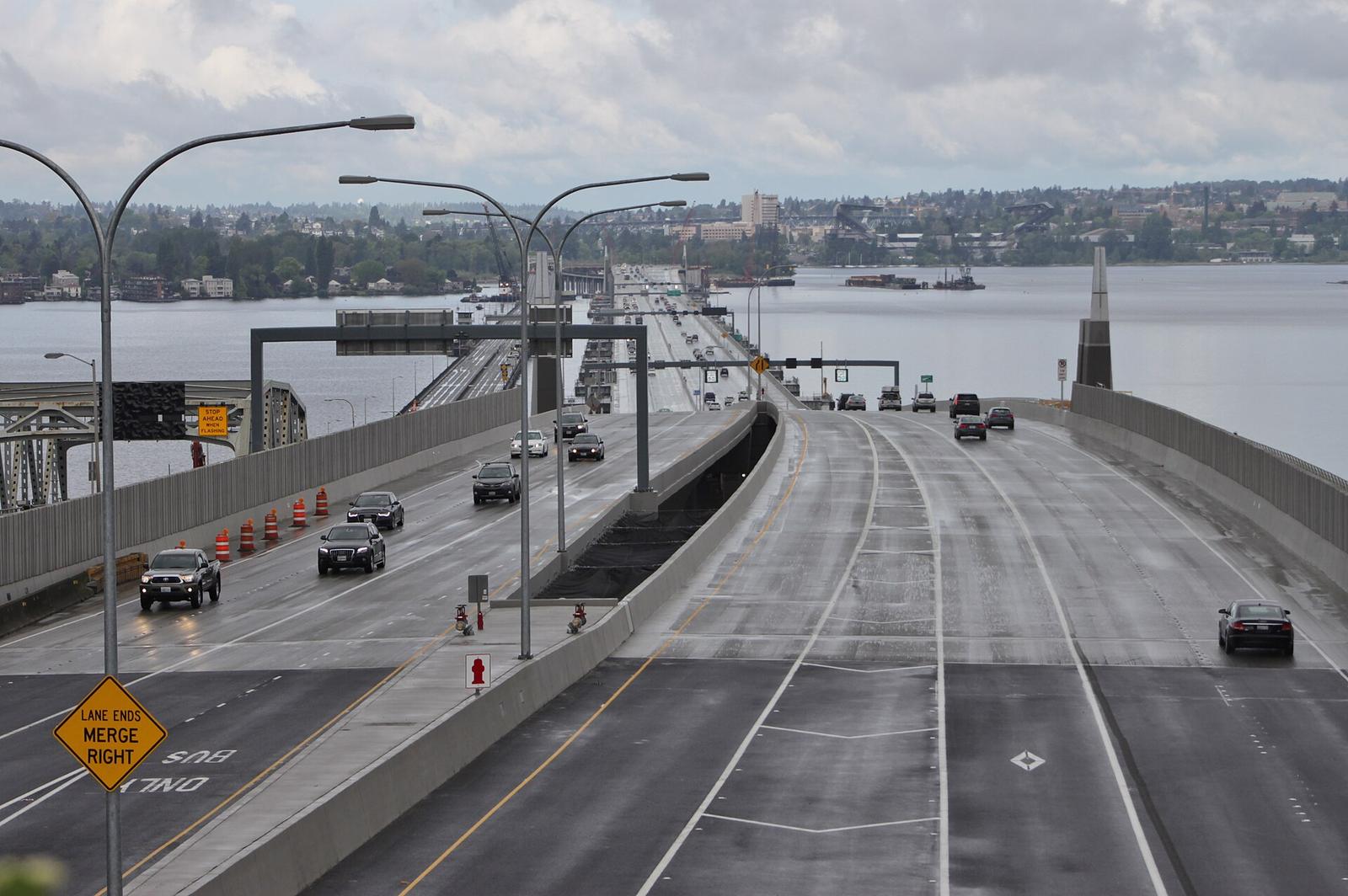
The SR-520 Evergreen Point floating bridge across Lake Washington, seen from its east end
SR-520 on the Evergreen Point floating bridge, from the east end.

Write it down before you dial

Fill in the ticket and tap send. It goes to the local operator's phone as a text, and they call you back on the number you give. In a hurry? Call (206) 483-2704 instead.

On a freeway, tap the road and your direction, then add the nearest exit or cross street. That is enough for the operator to find you.

Roadside Assistance Emergency Line(206) 483-2704

Breakdown ticketSeattle, WA

On a freeway? Tap the road, then the direction

Seattle and the towns around it

Calls come from every part of Seattle and from Shoreline, Burien, Tukwila, SeaTac, Renton, Mercer Island and Bellevue. Travel to the far edges of the county is part of the quote you hear on the call.

  • SeattleKing County · home base
  • ShorelineKing County · north on I-5 and Aurora Avenue
  • BurienKing County · south on SR-509
  • TukwilaKing County · south where I-5 meets I-405
  • SeaTacKing County · south by the airport
  • RentonKing County · southeast on I-405
  • Mercer IslandKing County · across the I-90 floating bridge
  • BellevueKing County · east across SR-520 and I-90

Town-by-town coverage, with a map for each

Call (206) 483-2704Call